





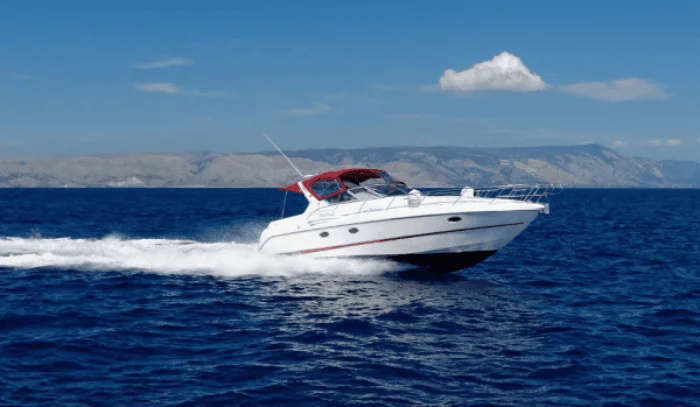
Performance plastics drive the modern marine industry by outmatching traditional materials for their exceptional resistance to saltwater, UV exposure, and chemicals. Advanced polymers also provide lightweight durability with minimal maintenance requirements.
At National Plastics and Seals, Inc., we can produce durable, corrosion-resistant plastic components constructed from a wide range of performance plastics to ensure peak performance in marine environments. Learn more about these materials below.
Key Plastic Types Used in the Marine Industry
PEEK (Polyether Ether Ketone)
Polyetheretherketone, aka PEEK, has many ideal attributes for marine applications, including:
- Excellent mechanical strength and rigidity, even at elevated temperatures
- High saline and chemical resistance
- Low friction and wear resistance, ideal for movable parts
- Strong dimensional stability and fatigue resistance
PEEK Marine Applications:
- Seals, bearings, and bushings for propulsion assemblies
- Valve and pump components subjected to pressure and seawater
- Subsea electrical insulation, cable sheathing, and connectors
- Engine components and high-load structural parts for marine vessels
HDPE (High-Density Polyethylene)
HDPE offers a wide range of performance benefits that make it ideal for marine use, including:
- Very high impact resistance, including at low temperatures
- Resistance to UV radiation, marine growth, and salinity
- Easy to fabricate (cut, weld, thermoform, etc.)
- Lightweight
- Low water absorption
HDPE Marine Applications:
- Pontoons, decking, and dock fenders
- On-board storage tanks, boat hulls, and piping systems
- Coatings and liners for corrosion resistance
- Floating components (e.g., buoys)
UHMW (Ultra-High-Molecular-Weight Polyethylene)
Design teams choose UHMW for marine components due to its numerous advantages, including:
- Very low friction coefficient (self-lubricating)
- Excellent resistance to impacts and abrasion
- High resistance to most chemicals and saltwater
- Resistance to degradation and cracking from long-term marine exposure
UHMW Marine Applications:
- Wear strips and dock bumpers
- Bearing plates and sliding pads for ramps, cranes, and lifts
- Chutes, trawler boards, and related fish handling equipment
- Rudder and keel protection
- Rubbing strakes on boats
ABS (Acrylonitrile Butadiene Styrene)
ABS provides a range of advantages suitable for simple and complex marine components:
- High rigidity and strength
- Easily machined or thermoformed
- Good dimensional stability and impact resistance
- Readily paintable and vacuum-formed to create aesthetic parts
- Compatible with various bonding processes
- Moderate water and chemical resistance
ABS Marine Applications:
- Interior components, including trim panels, instrument housings, and dashboards
- Small boat fittings and enclosures
- Housings for sensitive electronics (navigation systems, etc.)
- Covers and casings where lightness and appearance are important
Nylon (Polyamide)
Nylon’s high strength and versatility underline its array of mechanical and chemical benefits:
- High tensile strength and toughness
- Excellent resistance to wear
- Good self-lubrication
- Strong resistance to fuels and oils
- An effective alternative to metal for moving parts
Nylon Marine Applications:
- Wear-resistant rope, netting, and mooring lines
- Pulleys, bearings, and gears for deck machinery
- Bushings, fasteners, and cable ties used in marine environments
- Sheaves, fairleads, and other parts subject to wear
Comparison Table
| Plastic | Key Benefit | Typical Marine Use |
|---|---|---|
| PEEK | High strength & chemical resistance | Bearings, seals, valves, subsea connectors |
| HDPE | Tough, UV & seawater resistant | Hulls, docks, pipes, floats |
| UHMW | Ultra wear-resistant, low-friction | Dock fenders, wear pads, liners |
| ABS | Lightweight & formable | Interiors, housings, panels |
| Nylon | Strong, abrasion-resistant | Ropes, gears, sheaves, bushings |
| PVC | Durable, versatile, affordable | Waterproof upholstery, piping for fresh/wastewater, boat covers |
Performance Plastics Benefits for Marine Applications
Polyether Ether Ketone (PEEK)
- High-dimensional stability and temperature resistance
- Outstanding resistance to chemicals, seawater, and hydrolysis
- Low friction and resistance to wear (especially for moving parts)
High-Density Polyethylene (HDPE)
- Exceptional resistance to weather/ambient conditions
- UV stability and high impact strength
- Design flexibility
- Low cost
Ultra-High-Molecular-Weight Polyethylene (UHMW)
- High impact and abrasion resistance
- Low friction coefficient & moisture absorption
- Resists organic growth
Acrylonitrile Butadiene Styrene (ABS)
- Easy fabrication and lightweight
- High corrosion and UV resistance
- Low maintenance
Nylon (Polyamide)
- High shock absorption and tensile strength
- Superb abrasion and wear resistance
- Suitable for load-bearing & moving parts
Sustainability Advantages of Performance Plastics
Marine fabricators increasingly turn to performance plastics due to their numerous sustainability benefits. Examples of this include:
- Recycled HDPE supported dock-rebuilding efforts in Santa Cruz, California. After tsunami damage, plastic lumber restored long-term durability while reducing material waste.
- PVC deck hatch covers helped vessel manufacturers reduce interior heat, which had a direct effect on comfort and reduced AC power cycling/loads during heatwaves.
High Performance Plastic for Marine Applications by National Plastics
Marine manufacturers depend on versatile, technically sound materials that withstand harsh conditions. We support this need with industry-leading expertise in HDPE fabrication, PEEK marine solutions, and a wide spectrum of engineered performance polymers.
National Plastics offers material guidance, supply continuity, and proven marine-grade plastics for teams designing next-generation components — or replacing legacy materials with modern alternatives. Contact us and request a quote to source PEEK plastics and other advanced materials for marine applications.